






























Key Takeaways:
- Certain scents like lavender, chamomile, jasmine, and vanilla naturally reduce stress and support better rest.
- Calming aromas influence the brain’s limbic system, helping you wind down and relax.
- Incorporating certain scents into your nighttime routine may help you ease into sleep.
Between 50 and 70 million Americans have ongoing sleep disorders. That's not a small number, and the consequences go well beyond feeling groggy. Poor sleep affects memory, mood, immune function, and more — put simply, if you’re not sleeping well, you’re likely going to feel it.
If you're looking for a low-effort way to improve your sleep hygiene, scent is worth trying. Your sense of smell connects directly to your brain's emotional and relaxation centers. The right fragrance before bed signals to your body that it's time to slow down, and when used consistently, it can actually condition that response over time.
Here's what to know.
What Scents Can Help You Sleep?
Your sleep environment matters more than you might realize. Darkness and a comfortable temperature are the obvious starting points, but scent is also an underrated piece of the puzzle.
The scents that tend to support sleep fall into a few categories: natural herbal notes that smell clean and grounding, soft florals that are gentle rather than heady, warm woods and resins that feel settled and still, and creamy gourmand notes that feel comforting in a familiar way.
That said, though, what works best is ultimately personal. The goal is to find something that transforms your space into a place your brain associates with rest. Here are a few good starting points.
Lavender
Lavender is one of the most well-researched sleep scents out there. It's soft, herbal, and floral all at once, and its aromatic compounds, including linalool and linalyl acetate, have properties that can help calm your brain and body. If you get into bed with your mind still running through your to-do list (we’ve been there too), lavender might help quiet that mental chatter so you can actually fall asleep.
Chamomile
Most people hear chamomile and think of the soothing tea, and the scent carries the same calming qualities. It interacts with the relaxation centers of your brain, and the fragrance itself is soft, sweet, and herbaceous. Plus, chamomile layers well with lavender and vanilla if you want to build something a little more complex.
Jasmine
Jasmine has a reputation as a romantic, luxurious fragrance, and if you ask us, it earns it.
What makes it useful for sleep is its special ability to encourage serotonin release (aka, one of your happy hormones), which counteracts the cortisol and adrenaline that spike when you go to bed anxious or wound up.
The key is using a softer concentration. Lighter, more natural interpretations are more likely to get you where you want to go.
Bergamot
Like most citrus scents, bergamot has uplifting properties, but it’s unique for being calming at the same time. Bergamot is great for anyone with a busy schedule who needs a little bit of help transitioning between day and night.
Bergamot is less energizing than sharper citrus scents, but it can still work to settle nervous energy and put you in a positive mood.
Ylang Ylang
Ylang ylang is a natural fragrance sourced from a tree that grows star-shaped flowers. Nicknamed the “Queen of Perfumes” and native to tropical regions, the smell of ylang ylang is commonly associated with vacation.
As you’re starting your nighttime routine, incorporating ylang ylang might make a word of difference in helping you wind down from the daily stressors of life. Ylang ylang encourages mental and physical relaxation, and one whiff of its rich, creamy, floral scent might have you reminiscing about that last vacation to a tropical paradise.
Just keep in mind that a little ylang ylang goes a long way. The smell is pretty potent, which is what makes it a useful ingredient in candles and perfumery, but when it’s time to go to bed, a lighter concentration or a ylang ylang blend is typically best. This scent also pairs nicely with woods and soft vanilla notes.
Cedar
If you prefer woody scents, cedarwood is the perfect pick for you! Different from an herbal sleep fragrance, cedar is warm, dry, and grounding. Its smell is reminiscent of quiet walks through a lush forest or a weekend getaway in a cozy cabin — both of which are mental pictures that can help calm your mind and prepare you for bed.
Cedar also contains compounds believed to support melatonin production, the hormone that regulates your sleep cycle. Research is still ongoing, but cedarwood is widely regarded as sleep-supportive.
It's also a reliable anchor for brighter fragrances that might otherwise be too stimulating at night. A floral or citrus note that would typically keep you awake becomes subtle and earthy when paired with cedar.
Vanilla
From cookies and cakes to your favorite latte, vanilla is a well-loved scent, and sometimes, a familiar smell is the best option for going to bed. Familiar scents are comforting because your brain already knows what to do with them. Instead of being met with something brand new, your brain recognizes the familiar smell and can comfortably drift into sleep.
Often, the warm, sweet quality of vanilla tends to remind people of low-stakes, happy moments, childhood desserts, holiday baking, and things like that. That emotional association shifts your mood and settles your nervous system in a way that's genuinely useful when nighttime anxiety is the problem.
Amber
Amber is usually made by blending various ingredients together that result in a rich, comforting fragrance. Amber accord is commonly crafted using resins and vanilla, but it also contains labdanum and benzoin, which are sometimes used in aromatherapy to combat tension and stress.
Compared to other sleep-supportive scents, amber is definitely a lot less flashy, but this is what makes it the perfect choice for many users. The smell is grounded, powdery, and evokes a stillness that’s useful for shutting off your brain and going to sleep.
Why Can Certain Scents Support Your Sleep?
There’s a scientific explanation for why certain scents put you to sleep. It all starts with the olfactory network, which is the body’s scent-processing system. When you inhale a scent, odor molecules travel to your olfactory bulb, which connects directly to the limbic system, the part of your brain that manages emotion, memory, and relaxation. That's why smell can influence how you feel almost instantly.
Some scents work through their chemical compounds. Lavender and jasmine, for example, both contain certain aromatic molecules that directly soothe your nervous system. Other smells, like vanilla, tend to work through scent association by triggering memories and feelings that put your brain in a calmer state. You might associate the scent of vanilla with an ice cream shop from your childhood, transporting you to happy, simple days and summer nights.
Consistently using a sleep scent can train your brain to recognize that it’s time for bed. Incorporate it nightly, and the fragrance will likely begin to trigger a relaxation response.
How Can You Use Scents for Sleep?
All of this said, let’s talk about how to use these scents in your bedtime routine. Here are three simple ways to use scents to support your sleep.
Essential Oils
Aromatherapy is a holistic practice that uses plant extracts to improve a person’s well-being, typically through inhalation or topical application. Add a few drops of an essential oil with calming benefits like chamomile, ylang ylang, and lavender to your diffuser.
Do this 30-60 minutes before bed to fill the room with a sleep-supporting scent. If you prefer, you can also lightly apply a diluted or skin-safe essential oil to your pulse points, which include your wrists, neck, and temples. For your comfort and safety, always perform a patch test first, especially if you have sensitive skin.
Scented Candles
There are few things more genuinely relaxing than a candle in a dim room, and when the scent is sleep-appropriate, it works even harder. Light one in the evening and let the fragrance build as you move through your nighttime routine with your usual reading, stretching, or whatever helps you wind down. Just make sure to blow it out before you fall asleep.
Here are three scented candles to help with sleeping through the night:
- Birds and the Breeze Candle: This jasmine and cedar candle encourages you to hit pause, breathe deep, and ground yourself.
- Sweet Ash Candle: This candle uses our bestselling fragrance that’s a fan favorite for a reason. Lowkey sweet, inviting, and earthy, Sweet Ash is perfect for your evening wind-down.
- Heal the Way Candle: With vanilla, amber, palo santo, and pistachio, this candle offers a healing, soothing blend of scents.
Fragrance
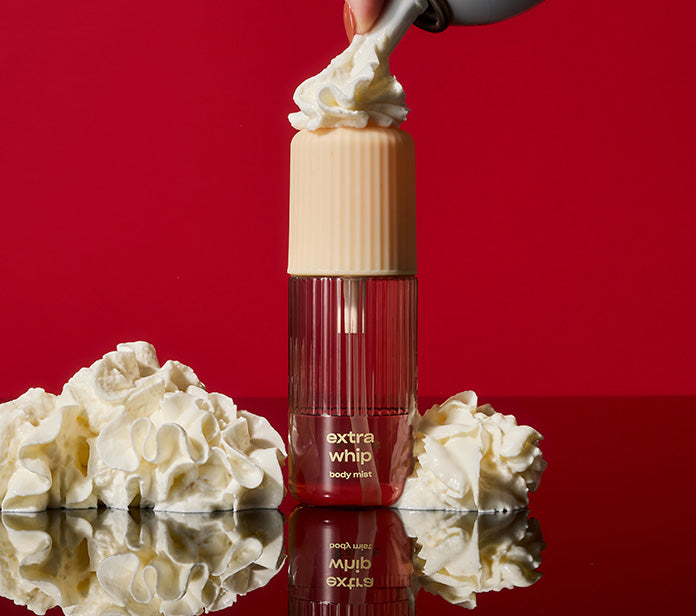
A light body mist or perfume applied to your pulse points before bed is one of the easiest ways to incorporate a sleep scent without adding much to your routine at all. Spritz it on your sleepwear or skin as you wind down. The most important thing is consistency — using the same scent every night conditions your brain to recognize it as a signal that rest is on the way.
Here are two calming fragrances to help you wind down:
- Gentle Reminder: This fragrance makes lavender the star of the show alongside purple ube, milk froth, and black tea for a cozy, comforting scent.
- Heal The Way: In addition to the candle, our Heal the Way fragrance features the same enticing blend of scents to leave you feeling relaxed.
Get Those Zzzs
Sleep is one of the most important things you can do for your mental and physical health, and it deserves more than crossed fingers and a dark room. Scent is a simple, low-effort tool that can make a real difference in how easily you wind down and stay asleep. Add a fragrance or candle to your nightly routine, stay consistent, and let your nose do some of the work for you.
FAQs
Which scents help you sleep?
Scents commonly associated with better rest include lavender, chamomile, jasmine, bergamot, ylang ylang, cedarwood, vanilla, and amber.
What is aromatherapy?
Aromatherapy is the holistic practice of using plant extracts, usually in the form of essential oils, to support physical and emotional well-being through inhalation or topical application.
How does aromatherapy work?
Aromatherapy stimulates your olfactory system, which connects directly to your brain’s relaxation center. Through aromatherapy, certain natural aromas can positively influence your mood and help you relax.
Sources:
What Are Sleep Deprivation and Deficiency? | NHLBI, NIH
Olfactory memory networks: from emotional learning to social behaviors | PMC
The Connections Between Smell, Memory, and Health | Harvard Medicine Magazine
What is Aromatherapy? | Cleveland Clinic