














Key Takeaways:
- Oud is one of the rarest and most complex ingredients in fragrance.
- Oud smells deep, smoky, resinous, and slightly animalic.
- Oud becomes more wearable depending on what it’s combined with, with common pairings including rose, sandalwood, saffron, vanilla, amber, and incense.
Rich, smoky, resinous, and mysterious, oud has become one of the most sought-after ingredients in modern perfumery. Whether it’s in a bold composition or used in something soft and wearable, oud has a depth that immediately stands apart.
Oud shows up constantly in fragrance descriptions but rarely gets a plain-language explanation. This article covers what oud actually is, what it smells like, why it’s so expensive, and what it pairs well with.
What Is Oud?
Oud, which is sometimes also known as agarwood , is a dark, resinous heartwood that forms inside Aquilaria trees . Interestingly, oud only forms when those trees become infected with a specific type of mold. As a defense response, the infection triggers the tree to produce this dense, fragrant resin.
Oud is one of the rarest natural materials in the world — only a small percentage of Aquilaria trees produce it, and the process takes years, if not decades. Harvesting requires skill and significant labor, which contributes to its price. High-quality natural oud oil can be even more expensive by weight than gold, earning it the nickname “liquid gold.”
Aquilaria trees grow across Southeast Asia, India, and parts of the Middle East. Different regions produce distinctly different oud profiles. For example, Cambodian oud leans sweet and fruity, while Indian oud is denser and more animalic.
Today, in most mainstream fragrances, what’s labeled as “oud” is a synthetic recreation designed to capture oud’s character without the rarity and cost of the real thing.
What Does Oud Smell Like?
Oud is one of the most prized ingredients in fragrance, but it’s also one of the trickiest to describe until you smell it for yourself. It’s rich, dark, and intensely atmospheric, with a deep, textured smell.
Part of oud’s complexity comes from how many different facets it contains at once. Depending on the composition, oud can be smoky, sweet, leathery, woody, spicy, or medicinal. Some versions are smooth and wearable, while others are deliberately raw and challenging. Let’s break down the four major qualities that define oud’s unmistakable smell.
Woody
One of the first things most people notice about oud is its deep, woody character. Unlike cleaner woods like cedarwood or creamy woods like sandalwood, oud smells heavier, darker, and more saturated. It has a density that’s comparable to aged, resin-soaked hardwood rather than something light like freshly cut timber.
There’s an almost antique quality to oud’s woodiness, and this depth is what makes it such a staple in woody and oriental fragrance families . Even in smaller amounts, oud’s gravity tends to anchor an entire composition around itself.
Smoky
Oud also carries a warm, smoky quality that makes it feel immediately atmospheric. The smoke isn’t harsh or burnt in the way that campfire smoke can be. Instead, it’s softer and more intentional, closer to the feel of incense or resin warming over hot coals. This smokiness is one of the reasons oud reads as ceremonial and luxurious.
In many fragrances, the smoky side of oud gives the scent a darker, more dramatic edge, but in other compositions, this smokiness can feel surprisingly calming . The warmth wraps around the skin and develops slowly over time, making ode fragrances feel immersive rather than sharp or aggressive.
Resinous
Beneath the wood and smoke is oud’s resinous side. This is where the fragrance starts to soften and become almost addictive. Oud has a balsamic richness that can resemble warm amber or dark honey. This subtle sweetness is important because it balances oud’s darker qualities. Without it, oud could smell overwhelmingly dry or smoky.
Instead, the resinous warmth gives the scent depth and smoothness as it settles into the skin. This is also why oud pairs so naturally with an amber fragrance profile. Amber’s warm, balsamic sweetness complements oud’s earthy richness without overpowering it. Together, they create fragrances that feel enveloping and long-lasting.
Animalic
The most polarizing aspect of oud is its faintly animalic feel. High-quality oud often carries a subtle leathery, musky undertone that feels earthy and primal rather than perfectly polished. This isn't the literal smell of “animal,” but rather a warm skin-like rawness that gives oud its emotional intensity.
For many, this slightly untamed character is immediately intoxicating, and it is what makes oud so compelling. It prevents the fragrance from feeling sterile or overly refined. In many modern oud perfumes, this edge is softened with vanilla, rose, sandalwood, or musk, making the scent more approachable while still preserving its signature depth.
Once people become familiar with oud, they often crave this richness because few other ingredients feel as dimensional.
What Scents Pair Well With Oud?
Despite its intensity, oud is incredibly versatile. Here are some of the most classic and effective oud pairings.
Rose
Rose and oud are one of the most iconic fragrance pairings in the world, especially in Middle Eastern perfumery. Rose’s soft, slightly floral quality provides a perfect counterpoint to oud’s smoky darkness. The two balance and elevate each other into something deeply romantic and complex.
Sandalwood
Where oud is resinous, textured, and slightly rough around the edges, sandalwood is creamy, comforting, and smooths it out beautifully. Together, they create a long-lasting, skin-close warmth that’s enveloping without being overwhelming.
Saffron
Earthy, honeyed, and slightly spicy, saffron amplifies oud’s darker facets. When combined, they form a fragrance that feels rich, golden, and almost edible. This is a classic pairing in oriental and Middle Eastern compositions, most associated with evening wear.
Vanilla
Vanilla softens oud’s more animalic facets and leans into its natural sweetness. This combination has become increasingly popular because it makes oud feel smoother, creamier, and easier for newcomers to enjoy.
Amber
Amber and oud are natural companions because both share resinous warmth and depth. Amber enhances oud’s smokier balsamic qualities while adding sweetness and glow to the composition. This pairing is common in richer evening fragrances.
Incense
Incense doubles down on oud’s smoky, ceremonial quality, adding a sacred, slightly powdery note that feels ancient and intentional. While it sounds heavy on paper, this blend can be surprisingly smooth and meditative.
What Are Some Oud-Like Scents To Try?
Oud doesn't appear by name in Snif's current fragrance lineup, but if a woody, deep, grounding character is what you're after, there are two Snif fragrances that come very close.
Sweet Ash
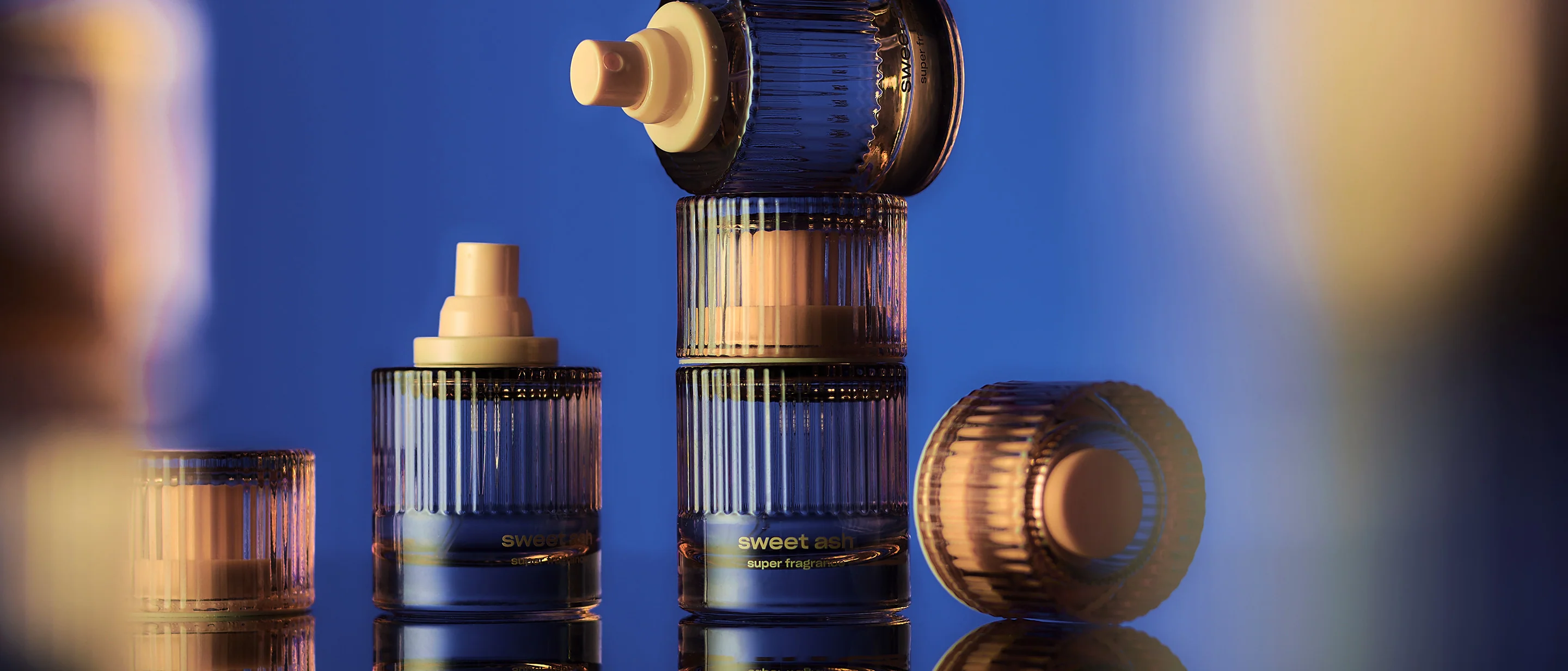
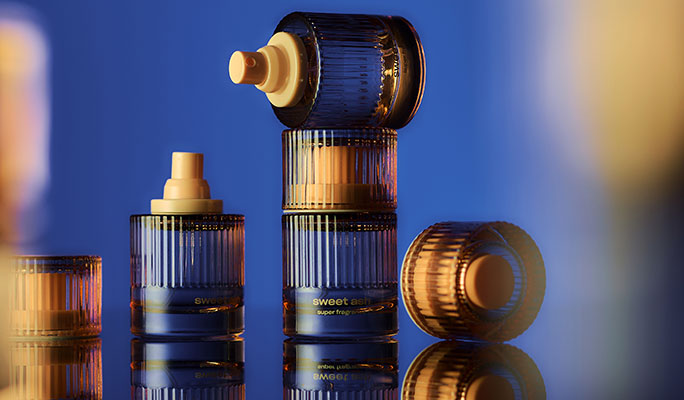
Sweet Ash is an earthy, slightly smoky, and grounded fragrance featuring juniper, white moss, patchouli, and tonka. It's not oud, but it shares oud's low-key intensity and lasting, skin-close warmth. This is the scent for people who find most fragrances too bright or sweet.
Honey Suite
The incense and havanawood in Honey Suite bring a warm, ceremonial depth that overlaps with oud's richness. Crystallized honey, saffron, and vanilla bourbon make it sweeter than a traditional oud, but that same darkness lies beneath.
An Ode to Oud
Oud tops the list as one of the most ancient, complex, and rewarding ingredients in fragrance. It’s easier to fall in love with than its reputation may suggest. The best way to understand it is to smell it for yourself. As a practical starting point, check out Sweet Ash and Honey Suite to explore similar scent profiles and discover your next signature scent .
FAQs
What does oud smell like?
Oud smells deep, woody, smoky, and resinous with a faintly sweet, balsamic quality underneath. It also features a slightly animalic edge that some people find immediately addictive, but others need time to warm up to.
It's one of the most complex ingredients in fragrance and evolves significantly on the skin over time. Most people describe it as rich, ancient-feeling, and impossible to fully put into words.
Is oud a strong scent?
Yes, oud is one of the most tenacious base notes in fragrance. Even in small amounts, it has a significant presence and longevity. Natural oud can last 12+ hours on skin and linger on fabric for days. That said, how intense it reads depends on how it's used in a formula. Many modern fragrances use oud at lower concentrations or in synthetic form to make it more wearable.
Is oud masculine or feminine?
Neither. Oud is one of the most inherently genderless ingredients in fragrance. It's been worn across all genders in Middle Eastern and Asian fragrance traditions for thousands of years. The modern fragrance industry tends to market oud-heavy compositions toward men, but that framing has no basis in the ingredient itself.
What's the difference between oud and agarwood?
They're the same thing. Agarwood is the wood itself, the resinous heartwood that forms inside infected Aquilaria trees. Oud (or oudh) is the Arabic name for both the wood and the oil extracted from it. The two terms are used interchangeably in fragrance.
Sources:
What Is Oud (Oudh) Fragrance And Why Is It So Expensive? Alpha Aromatics
Agarwood—The Fragrant Molecules of a Wounded Tree | PMC