





















Key Takeaways:
- Myrrh is a warm, bittersweet resin with earthy, smoky, spicy, and slightly medicinal qualities.
- Myrrh pairs well with amber, musk, woods, and florals.
- For a modern take on myrrh, Snif’s Suganami offers a warm, wearable fragrance.
Myrrh is a warm, resinous fragrance note with earthy, smoky, spicy, and slightly medicinal qualities. It can smell balsamic and subtly sweet, but it also has a distinctive bitterness that gives perfumes depth and complexity.
In fragrance, myrrh often adds an incense-like richness that feels warm, grounding, and a little mysterious.
What Is Myrrh?
Myrrh is an aromatic gum resin harvested from trees and shrubs in the Commiphora genus, particularly Commiphora myrrh. These plants grow in arid regions of northeastern Africa and the Arabian Peninsula, including parts of Somalia, Ethiopia, and Yemen. When the tree’s bark is cut, it releases a sticky resin that hardens into small, irregular pieces as it dries. This material can then be processed into fragrant extracts used in perfumery and incense.
Myrrh has a long history in fragrance, meditative practices, and ceremonial settings. Its rich aromatic scent made it a valued ingredient in incense and perfume long before modern perfumery existed. Today, myrrh remains popular for the complexity it brings to fragrance compositions, particularly those with warm, woody, amber, or incense-like profiles.
Myrrh vs. Frankincense: What’s the Difference?
Myrrh and frankincense are both aromatic resins traditionally used in incense and perfumery, and they often appear together. That said, they come from different botanical sources. Myrrh is obtained from Commiphora species, while frankincense comes from Boswellia trees. Their aromas also have distinct personalities.
Myrrh typically smells warm, earthy, balsamic, and bittersweet, with smoky or medicinal facets. Frankincense is often described as fresher, brighter, and more citrusy or peppery, with an airy, mineral-like quality that can evoke rising incense smoke.
These descriptions vary depending on the resin, its processing, and the fragrance in which it appears, but they offer a useful starting point when comparing the two. Think of myrrh as the deeper, more grounded counterpart, while frankincense brings a lighter, more expansive feel.
What Does Myrrh Smell Like?
Myrrh is best understood as a combination of contrasting aromas rather than one simple scent. Its character can shift between a resinous sweetness, a medicinal bitterness, and a smoky spice depending on the extract and the surrounding notes.
Resinous
The defining characteristic of myrrh is its resinous quality. Imagine the rich, concentrated aroma of aromatic tree sap, with a warm, balsamic sweetness that feels deeper and less sugary than vanilla or caramel. This quality gives myrrh a rounded, almost syrupy dimension, although its earthy bitterness keeps it from smelling like a conventional gourmand note.
In perfume, that resinous character can make a fragrance feel richer and more cohesive. It helps connect brighter notes with deeper woods and amber accords, adding warmth without necessarily making the composition sweeter. Myrrh is particularly appealing if you enjoy fragrances that feel textured, enveloping, and a little unconventional.
Medicinal
Myrrh can also have a medicinal or herbal edge. This doesn't necessarily mean it smells like a pharmacy. Instead, it has a sharp, aromatic bitterness that can evoke dried herbs, tinctures, and the concentrated scent of traditional botanical preparations.
That slightly austere quality is part of what makes myrrh so distinctive. It cuts through the softer sweetness of resins and amber notes, creating contrast and preventing a perfume from feeling overly rich. Depending on the composition, this facet can feel earthy and grounding or more intense and challenging, especially when myrrh is used prominently.
Smoky and Spicy
Myrrh’s smoky character connects it to the familiar aroma of incense. It can suggest smoldering resins and fragrant smoke, with a dry, slightly peppery warmth that adds depth to a composition. Unlike a straightforward campfire accord, however, myrrh’s smoke is often intertwined with its balsamic, earthy character.
This combination works beautifully in fragrances designed to feel atmospheric or contemplative. Myrrh can add a sense of warmth and mystery without relying on overt sweetness, making it a compelling choice for evening scents and woody, amber, or incense perfumes.
What Scents Does Myrrh Pair Well With?
Myrrh’s versatility comes from its ability to bridge sweet, earthy, woody, and aromatic notes. Here are some of the combinations that showcase the resin’s versatility.
Amber
Amber accords emphasize myrrh’s warm, balsamic side. Together, the notes can create a rich, enveloping fragrance with a subtle sweetness and resinous depth. Depending on the composition, this pairing may feel golden and cozy or dark and smoky, making it a natural fit for warm, evening-ready perfumes.
Musk
Musk can soften myrrh’s sharper edges, giving its earthy and medicinal facets a smoother finish. The result is often more intimate and skin-like, balancing resin’s intensity with a gentle warmth. If you like the idea of an incense-inspired fragrance but want something easier to wear every day, myrrh and musk can offer an appealing middle ground.
Woods
Cedarwood, sandalwood, and other woody notes complement myrrh’s earthy, resinous character. Cedarwood can reinforce its dry, aromatic side, while creamy sandalwood helps emphasize its smoother, warmer facets. These combinations create depth without necessarily making a fragrance sweet, which is why myrrh works particularly well in woody compositions.
Florals
Myrrh can also add complexity to floral fragrances. When paired with powdery florals such as iris, myrrh can make a composition feel warmer and more textured without overwhelming the flowers 'delicate character. Rose brings a soft, romantic contrast to the resin’s bitterness, while jasmine introduces a lush, luminous quality that balances its earthier facets.
Who Are Myrrh Scents Best For?
Myrrh scents are ideal for fragrance lovers who gravitate toward warm, woody, and incense-inspired perfumes with a little edge. Its earthy, bittersweet character adds depth without relying on sugary sweetness, making it a great fit for those who enjoy complex, layered fragrances.
If you prefer lighter or fresher scents, look for myrrh paired with soft florals, creamy musks, or bright aromatics for a more everyday wearable finish.
What’s a Myrrh Fragrance To Try?
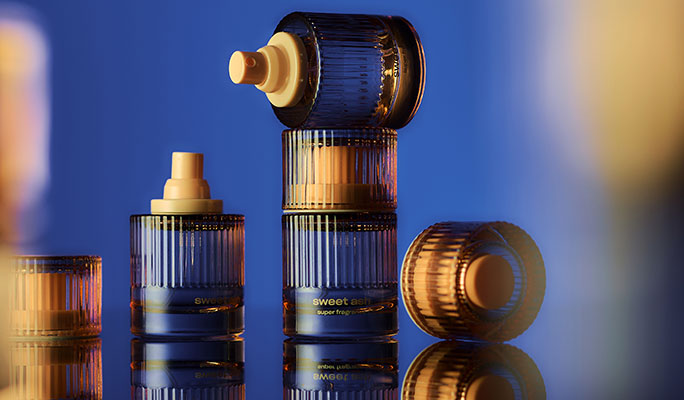
If you’re curious about myrrh, Suganami is a great place to start. This fragrance combines myrrh with iris, amber, cedarwood, cypress, rose, coriander, angelica seeds, and creamy rusks. Rather than making resin the sole focus, the composition balances its warm, earthy character with powdery florals, aromatic woods, and a smooth, musky finish.
If you’re drawn to fragrances that feel warm and sophisticated without leaning entirely into sweetness, Suganami offers a way to experience myrrh alongside familiar woody and floral ingredients. It’s also a reminder that a resinous note doesn’t have to dominate a fragrance to make it memorable.
Smoke Break
Myrrh is one of those smoky fragrance notes that rewards a closer sniff. In one fragrance, it might feel dry and incense-like, and in another, it may lean balsamic, earthy, or softly sweet. This versatility is what makes the bittersweet resin such an intriguing fragrance note.
FAQs
What is myrrh?
Myrrh is an aromatic gum resin collected from trees and shrubs in the Commiphora genus, native to parts of northeastern Africa and the Arabian Peninsula. It has a warm, earthy, bittersweet scent and is used in incense and perfumery.
Does myrrh smell different from frankincense?
Yes, myrrh generally smells warmer, earthier, and more bittersweet, while frankincense is often brighter, fresher, and more citrusy or peppery. Both are aromatic resins and are frequently blended together in incense-inspired fragrances.
How does myrrh smell in perfume?
In perfume, myrrh can sometimes smell resinous, balsamic, smoky, earthy, and slightly medicinal, often with a subtle sweetness. Its character depends on the other notes in the composition, pairing especially well with amber, musk, woods, and florals.
Sources:
Myrrh: Overview, Uses, Side Effects, Precautions, Interactions, Dosing and Reviews | WebMD
Frankincense and myrrh: Ancient scents of the season | MU Extension