

























Key Takeaways:
- Cologne and perfume primarily differ in fragrance concentration.
- Fragrance has no gender. Cologne isn’t exclusively for men, and perfume isn’t exclusively for women.
- It’s best to choose a fragrance based on your lifestyle and scent preferences instead of marketing conventions.
When shopping for fragrance, you’ve probably noticed that some bottles are labeled “cologne” while others say “perfume.” These terms are often used to distinguish fragrances marketed towards men and women, but that’s not actually what separates them. The real difference between cologne and perfume comes down to fragrance concentration, which can influence how scent wears, how long it lasts, and how strongly it projects.
Whether you gravitate toward fresh citrus, warm woods, creamy vanilla, or soft florals, understanding the differences among these product categories can help you choose a fragrance that suits your preferences and routine. Fragrance has no gender; there’s no reason to limit yourself to the labels on a bottle.
How Are Cologne and Perfume Different?
The main difference between cologne and perfume is their concentration of aromatic ingredients. Concentration can influence a fragrance’s longevity and projection, or how far its scent travels from your skin.
Perfume is often used as a broad term for fragrance, but it can also refer to a more concentrated fragrance format. Cologne, meanwhile, is traditionally described as a lighter formulation with a lower concentration of aromatic compounds.
It’s also worth knowing that fragrance terminology isn’t perfectly standardized across the industry. One brand’s cologne may not follow the same concentration range as a different brand’s cologne. A product may also be labeled “cologne” solely because it features notes traditionally associated with men’s fragrance.
Is Cologne Only for Men?
No, cologne is available to anyone who wants to wear it. The idea that cologne is exclusively for men developed largely through advertising practices. Over time, brands positioned colognes as masculine products, emphasizing notes such as citrus, herbs, woods, and spices. Meanwhile, perfumes with fruity, floral, and sweet scent profiles were frequently marketed towards women.
Regardless of these cultural conventions, fragrance doesn’t belong to a single gender. Citrus can smell bright and refreshing on anyone, just as rose and vanilla can add a soft, inviting quality to any fragrance. The way a scent smells on you depends more on its composition and your skin chemistry.
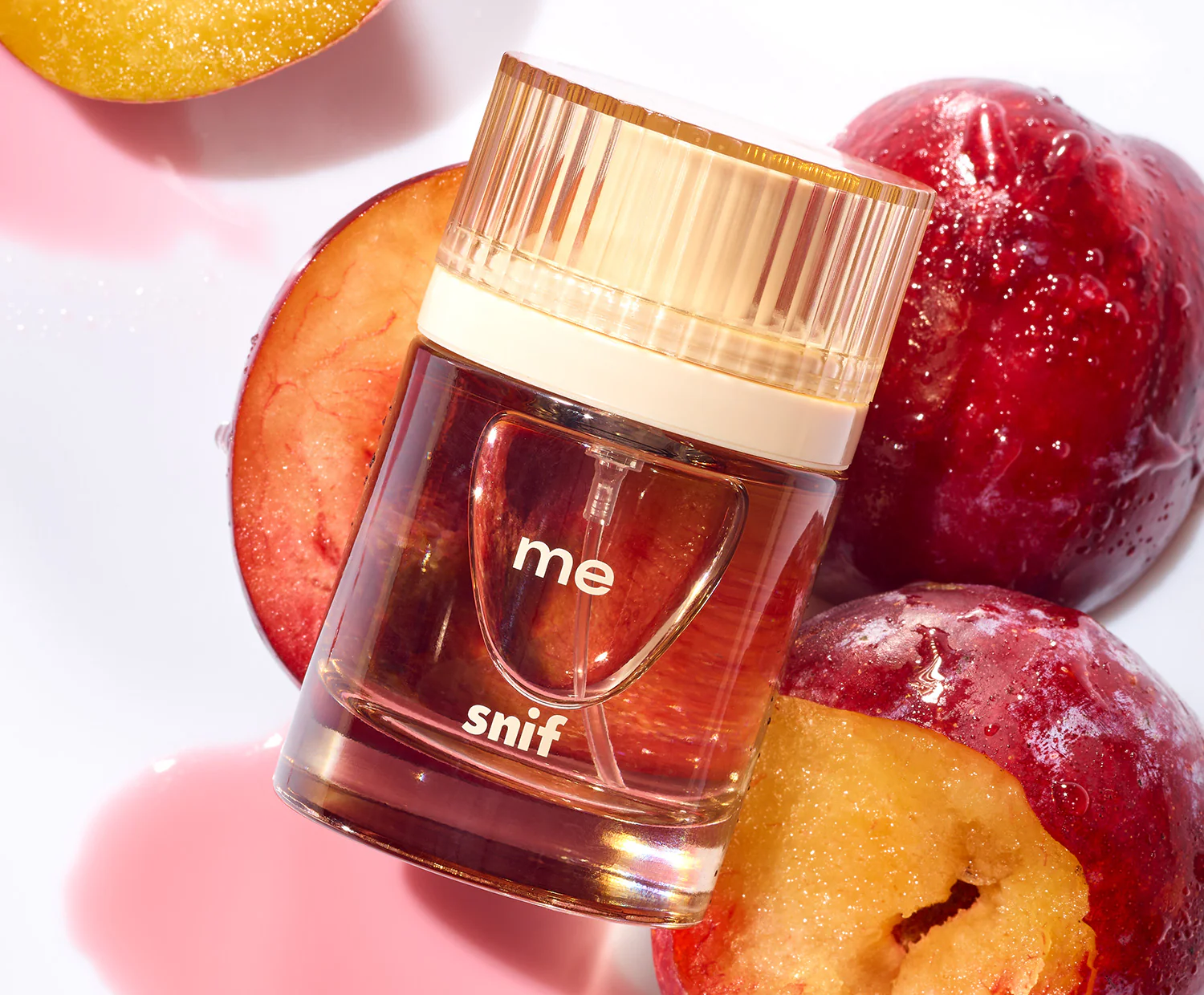
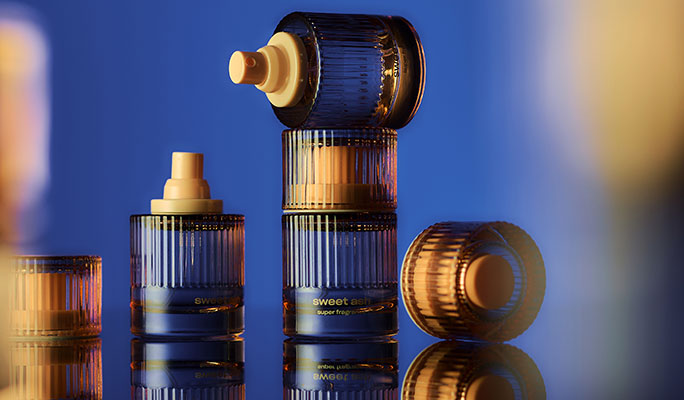
When shopping for a new scent, consider whether you enjoy its character and how it could fit into your routine, rather than whether it’s intended for men or women. At Snif, our gender-neutral fragrances embrace this approach, offering scents to suit your mood and preferences. Popular unisex fragrances from our lineup include Vanilla Vice, Me, and Sweet Ash.
What To Know About Fragrance Concentrations
Fragrances are commonly grouped by the concentration of aromatic ingredients in their formulas. Higher concentrations often last longer, while lighter formulations can feel more subtle. These categories offer a general idea of how a product might wear, though exact percentages and performance can vary by brand and product.
Here’s a brief overview of the main fragrance types and their typical concentrations:
- Parfum (extrait de parfum) = ~20-40%
- Eau de parfum (EDP) = ~15-20%
- Eau de toilette (EDT) = ~5-15%
- Eau de cologne (EDC) = ~2-5%
- Body Mist = 1-3%
Please note that these percentages are approximations, not universal standards. Precise longevity and projection depend on the formula.
Parfum
Parfum, sometimes called extrait de parfum, is generally one of the most concentrated fragrance formats. Its higher proportion of aromatic ingredients can give it a rich scent and extended wear, although that doesn’t necessarily guarantee it will project more strongly than every less-concentrated fragrance.
EDP
Eau de parfum is a popular format that balances concentration with everyday versatility. It often offers several hours of wear, making it a practical option for work, evenings out, or everyday routines. Depending on the formula, an EDP can feel intimate and understated or make a more noticeable impression.
EDT
Though eau de toilette typically contains a lower concentration of aromatic ingredients than EDP, not every EDT fades quickly. Consider concentration a useful starting point rather than a guarantee of performance. EDT can offer a lighter fragrance experience, making it especially appealing for daytime wear or for people who prefer less intense scent.
Cologne and EDC
Cologne is sometimes used as a general term for men’s fragrance, but eau de cologne refers to a more specific fragrance concentration. EDC has a relatively low concentration of aromatic ingredients and is often associated with fresh compositions. Note that in everyday conversation, any masculine fragrance may be referred to as “cologne,” regardless of its concentration levels.
Body Mist
Body mists are typically designed to provide a lighter, more casual way to wear fragrance, although their formulas and concentrations may vary. They can be useful for layering or for a quick refresh throughout the day. If you’re on the fence between a mist and a traditional fragrance, our guide to body sprays vs. cologne can help you better understand how these options differ.
How To Choose Between Perfume and Cologne
Rather than choosing a fragrance based on gendered labels, consider what you’d like for the product to provide and how you want it to fit into your life.
For everyday wear, consider a scent that feels comfortable in close quarters, whether that’s a fresh citrus blend, soft musk, or creamy gourmand. For longer days or evenings, look for a fragrance that performs well on your skin. EDP and parfum can be good starting points, but the specific formula matters more than concentration alone. For a lighter touch, EDTs and body mists may suit you if you prefer a more subtle scent or enjoy reapplying throughout the day.
If you’re still figuring out your scent preferences, focus on fragrance families and notes you already enjoy. Check out our fine fragrance and Notewrks cologne collections to find something for any taste.
The Final Verdict
When it comes to cologne vs. perfume, the real distinction is about fragrance format and concentration, not gender. The best fragrance is the one you love wearing. Perfume and cologne can both feature fresh, floral, woody, sweet, spicy, or musky notes, so either can be a great fit for anyone who enjoys the scent. Labels can help you understand a product, but they shouldn’t limit what you wear.
FAQs
Can women wear cologne?
Absolutely. Cologne is a fragrance format, not a product reserved for men. Anyone can wear a cologne if they enjoy its scent, whether it features citrus, herbs, woods, or other notes.
Can men wear perfume?
Yes. Perfume isn’t limited to women, and men can wear any fragrance they enjoy. Choose based on your preferred scent profile and how you want the fragrance to wear, rather than its marketing.
Is cologne weaker than perfume?
Traditionally, eau de cologne has a lower concentration of aromatic ingredients than parfum or eau de parfum, so it may be lighter or shorter-wearing. However, concentration isn’t the only factor affecting longevity or projection. The formula and the way it wears on your skin matter, too.
Sources:
An investigation into the relationship between gender and fragrance | Vogue Australia