


























At Snif , we believe that trying and finding the fragrances you love should be fun. This means that you won’t see us referencing eau de parfum in our product descriptions or pulling out other, niche perfume vocabulary.
Although we don’t tend to dive into fragrance notes when it comes to our products, it’s hard to navigate the world of perfumery without knowing a little bit about them.
That’s why this guide will demystify fragrance notes, take a close look at the science behind them, and provide you with information about some of the most common fragrance families.
What Are Fragrance Notes?
Before we break down the different fragrance notes, it’s important to understand what they are in general. Just like a page of sheet music has all the different notes that make up a song, a scent is made up of several different fragrances that come together to make it complete.
You can think of fragrance notes as the different, foundational building blocks in a fragrance that give it its distinct smell.
Usually, fragrance notes in a perfume are categorized into three main groups: top notes, middle notes, and base notes. This section will get into the differences between these three and how you can identify each in your signature scent.
Top Notes
You might hear top notes referred to as headnotes because they help a fragrance make a first impression. When you first spritz on a fragrance and get a whiff of something, that something is the top note. Usually, top notes will only stick around for the first five to 15 minutes after you spray on a fragrance.
Although they fade quickly, top notes are crucial because they set the stage for a fragrance and will likely be the scent that you associate most strongly with your favorite fragrance. Some of the most common top notes come from the citrus or floral families (we’ll say more on this later).
When you see lemon, orange, basil, rose, lavender , or bergamot in a scent, they’re likely the top notes.
Middle Notes
Middle notes form the real heart of the fragrance, which is why they’re sometimes also referred to as heart notes. Although these scents won’t immediately jump out at you, they are crucial because they often serve as a buffer between the top and base notes.
You’ll generally start to get a whiff of the middle notes in a fragrance roughly 20 minutes after you apply it, and those notes will usually stick around for up to an hour after the initial spritz. You can think of middle notes as the bridge that brings some of the essence of top notes to the fragrance while also introducing new, deep scents.
When it comes to middle notes, rich, aromatic fragrances are usually the top contenders. This includes florals like geranium, ylang-ylang, jasmine, and neroli, as well as spicy aromatics such as pepper, lemongrass , cinnamon, and cardamom.
Base Notes
Base notes and bottom notes last the longest of all the scent notes and form the foundation of a fragrance.
Unlike top notes and middle notes, base notes aren’t the show-stopping scents that will first pique your interest. Instead, they’re the underlying scents that provide a more subtle aroma to the fragrance. They’re also referred to as the “dry down” of a scent, because they linger after the top and heart notes of a fragrance have evaporated.
These are the notes that will last the longest on your skin — some of the strongest base notes can last for more than eight hours. When you’re trying to identify base notes, think of rich, deep fragrances that are woody or musky. Common base notes include sandalwood, patchouli, vanilla, musk , tonka bean, and vetiver.
What Is the Science Behind Fragrance Notes?
The science behind fragrance notes might bring you back to high school chemistry, but we promise it’s not too complicated. Basically, the weight of the molecules of the different fragrances is what determines how long they last and when you smell them.
Given that top notes are volatile, small, and light, they have a shorter life and more fleeting nature. Usually, middle notes are more mellow because they are slightly larger and heavier than top notes. That said, base notes are the heaviest of all, and because of this, they are less volatile and stick around the longest on your skin.
How To Read Perfume Notes on a Label
Perfume notes are usually organized in a notes “pyramid,” with top, middle, and base notes. Top notes are what you smell immediately after spraying, middle notes emerge as the fragrance settles, and base notes are the deeper ingredients that linger the longest on skin. The order matters because notes listed first are typically also the ones you’ll notice first.
It’s worth knowing that listed notes aren’t always single ingredients. Some are accords, meaning they’re built from several materials blended together to create a specific effect. For example, amber usually isn’t a single raw ingredient — instead, it tends to be a warm accord that’s made from resins, musks, vanilla, and woods.
How Perfume Notes Smell on Your Skin
The same fragrance can smell surprisingly different from person to person, and that’s because your skin chemistry affects how perfume develops over time. Factors like skin pH, body temperature, and natural oil levels all influence how certain notes project, evolve, and last throughout the day.
For example, warmer skin often amplifies sweetness and projection, while drier skin may cause fragrance to fade more quickly. This is why testing a fragrance on your own skin is always more accurate than smelling it on paper or someone else.
What Does a Balanced Fragrance Look Like?
When you hear the word “balanced” used to describe a fragrance, it’s referring to the ratio of top, middle, and base notes that make up the fragrance.
Generally speaking, a balanced fragrance is one where you can distinctly smell all three types of notes.
Although fragrance making is an art and each scent will have a somewhat different ratio of top to middle to base notes, there is a rule of thumb that fragrance-makers often keep in mind to make sure a scent is balanced.
The middle notes should typically make up 50-75% of the fragrances in the blend, the top notes should make up 20-40% of the blend, and the base notes should only make up about 5-10%.
What Are Some Common Fragrance Note Families?
Now that you know about the different types of fragrance notes and the science behind how they interact in a scent, it’s time to look at the common fragrance note families. Fragrances are broken up into families to make it easier to group them together.
In this section, we’ll look at four different fragrance note families — floral, fruity, gourmand, and musky — as well as Snif scents that fall into each of these categories.
Floral
The first fragrance note family we’re looking at is the floral family. As you might have guessed, floral scents tend to be light and green with strong, evocative top notes.
Depending on the ingredients mixed in to create them, floral fragrances might also be powdery, sweet, or spicy. When it comes to fragrances, some of the most popular floral smells include rose, jasmine, and peonies.
Vow Factor is one of Snif’s freshest fragrances and features many floral top notes. Combining green fig, mandarin, galbanum, neroli, rose, orris, cedarwood, tonka bean, and ambrette seeds, this fig scent is ripe, fruity, and floral just in time for summer.
Fruity
Fragrances in the fruity family can vary greatly depending on what type of fruit they make use of. Generally speaking, fruity smells act as top notes in fragrances and give them an irresistible sweetness.
If you’re looking for a fruity fragrance to shake things up, look no further than Tart Deco. The black cherry, raspberry, and rose in this cherry fragrance are sweet, sultry top notes that lure you in. From there, jasmine and mimosa mellow things out and give it a floral twist.
To complete the fragrance, birchwood, vetiver, and vanilla come through as the base notes that leave a lasting impression.
Gourmand
Gourmand fragrances are scents inspired by your favorite foods. From your favorite gelato to a fresh latte, gourmand fragrances tend to be more distinctive and experimental. In this fragrance family, rich, deep base notes are usually the stars of the show.
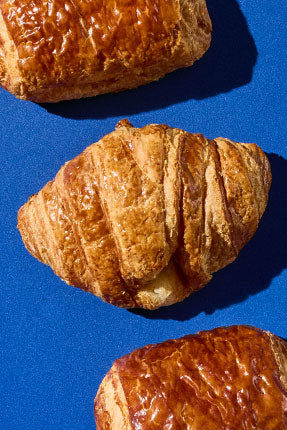
Crumb Couture is a gourmand croissant fragrance that will transport you to the first delicious bite of a freshly baked croissant. Featuring croissant accord, wild berry jam, blackcurrant, toasted vanilla, tonka bean, and sandalwood, this fragrance is a tasty delight.
Musky
For lovers of more subtle fragrances, musky scents may be ideal scents for you. Although musk used to have a rich, leathery scent, musky fragrances tend to be more mellow, powdery, and clean-smelling today.
Suganami offers an effortlessly cool, natural take on a musky scent. Made with angelica seeds, coriander, iris, rose, cypress, myrrh, amber, cedarwood, and creamy musks, this soft scent is low-key and unbelievably smooth.
Woody
Woody fragrances are grounded, smooth, and quietly sophisticated. Built around notes like cedarwood, sandalwood, patchouli, moss, and vetiver, woody scents tend to feel warm, earthy, and calming. Depending on how they’re blended, woody fragrances can also lean smoky and mysterious or clean and airy.
Sweet Ash is a woody fragrance that balances earthiness with softness. Featuring juniper, bergamot, fir balsam, tonka bean, white moss, and patchouli, this clean fragrance smells crisp, subtly sweet, and effortlessly cool. It’s the kind of scent that feels comforting and intriguing all at once.
Fresh/Aquatic
Fresh and aquatic notes are designed to feel clean, breezy, and energizing. These scents often use notes like citrus, airy musks, sea salt, watery accords, and light woods to create that just-showered feeling. Fresh fragrances are especially popular for everyday wear because of their versatility.
Clean Getaway captures this fresh fragrance family perfectly. Built around fresh laundry accord, apple, rice milk, orcanox, and amberwood, this musk cologne feels smooth, airy, and effortlessly wearable. It’s crisp without being sharp and gives off that polished, clean-skin effect that modern fragrance lovers adore.
Oriental/Amber
Oriental or amber fragrances are rich, warm, and deeply sensual. Traditionally built around notes like amber, vanilla, resins, spices, musks, and woods, these scents tend to feel cozy, dramatic, and long-lasting. Oriental fragrances are often associated with evening wear because of their intensity.
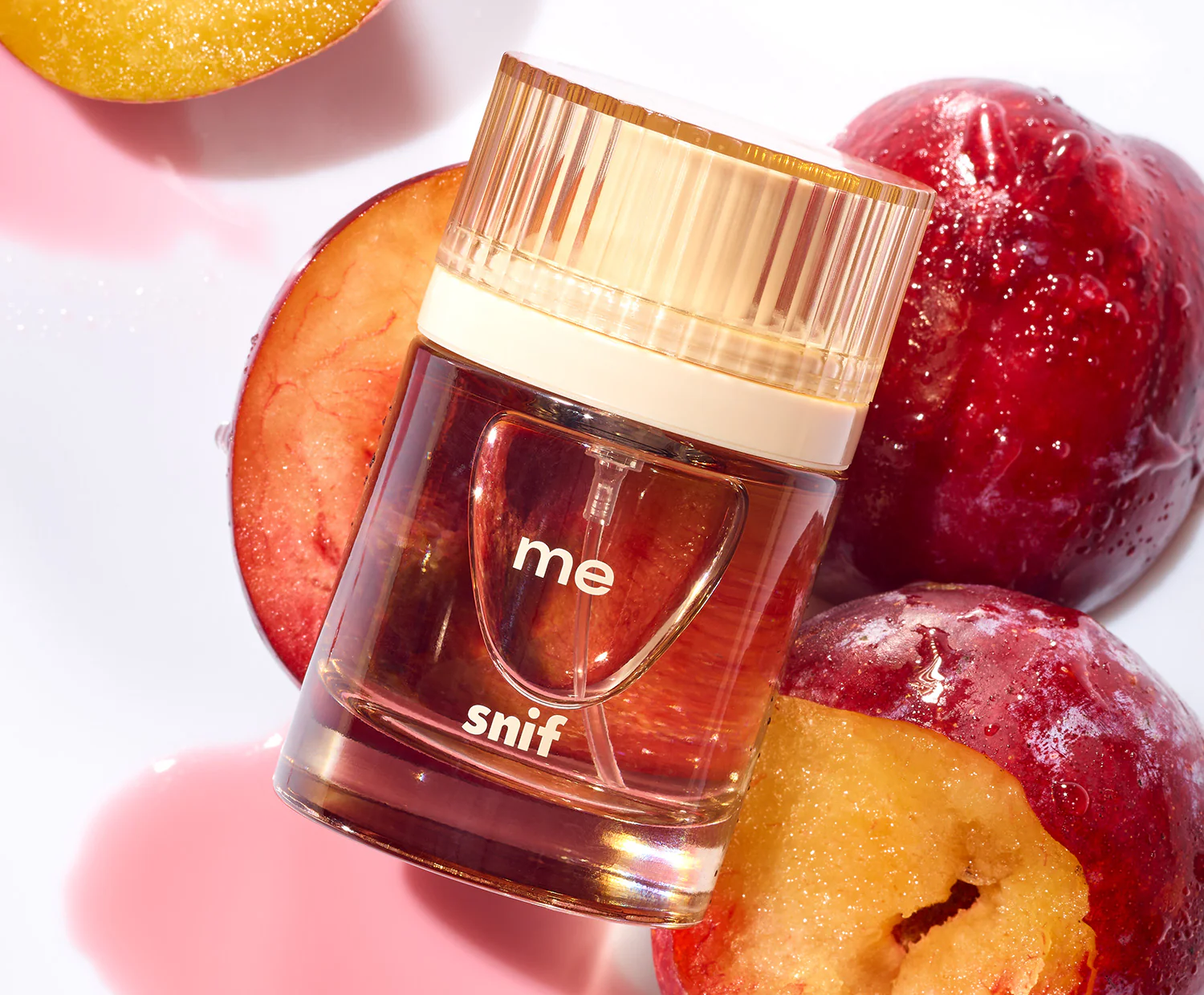
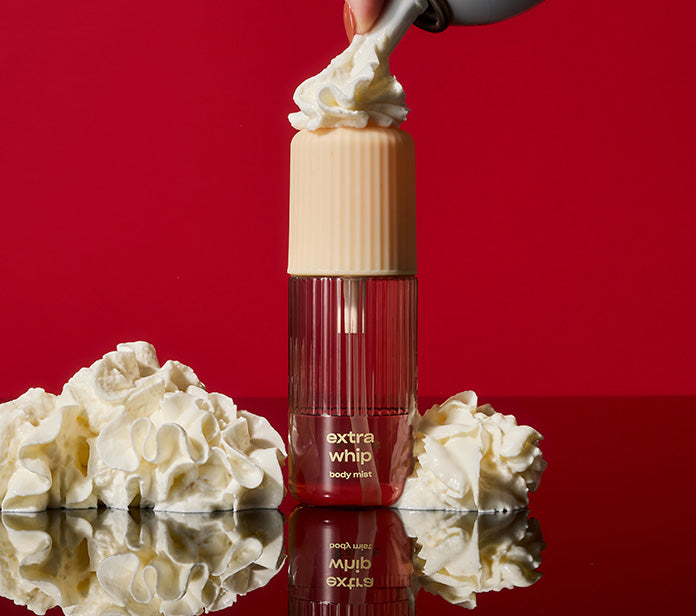
Honey Suite is a warm amber fragrance with a decadent twist. Combining honey, plum, vanilla, whipped cream, amber, and sandalwood, this honey perfume feels luxurious, smooth, and enveloping. The sweetness is balanced by warmth and depth, creating a scent that’s indulgent but not overpowering.
Citrus
Citrus fragrances are bright, sparkling, and energetic. Built around notes like grapefruit, bergamot, lemon, lime, and mandarin, these scents tend to open with an immediate burst of freshness. They’re especially popular in warm weather because they feel crisp and uplifting throughout the day.
Citrus Circus is a playful take on the citrus fragrance family. Featuring creamsicle accord, grapefruit, lime zest, sparkling water, cedar, and white amber, this summer citrus perfume feels juicy and vibrant. The fresh citrus top notes are balanced by soft woods and amber, giving the fragrance more depth than a traditional citrus scent.
A Quick Reference: Common Perfume Notes by Type
Top notes are what you smell within the first 5-15 minutes. Common top notes include:
-
Bergamot
-
Lemon
-
Grapefruit
-
Neroli
-
Orange blossom
-
Basil
-
Pink pepper
-
Green tea
-
Eucalyptus
Middle notes or heart notes typically emerge 20-60 minutes into wear. Common middle notes include:
-
Jasmine
-
Rose
-
Ylang-ylang
-
Iris
-
Geranium
-
Cardamom
-
Cinnamon
-
Black pepper
-
Tuberose
-
Peony
-
Violet
Base notes linger for hours until dry-down. Common base notes include:
-
Sandalwood
-
Cedarwood
-
Vetiver
-
Oud
-
Amber
-
Musk
-
Patchouli
-
Vanilla
-
Tonka bean
-
Benzoin
-
Labdanum
Get To Know Your Go-Tos
You’re officially a fragrance note pro. If the perfume jargon ever gets overwhelming, there are three basic types of fragrance notes that you can look out for: top notes, middle notes, and base notes.
From there, you can start to sort your favorite fragrances into their fragrance families to get a sense of what appeals to you. The best part is that when it comes to finding your go-to scent, you can let your nose make all the choices.
FAQs
What's the difference between fragrance notes and perfume notes?
There’s no difference — they're the same. "Perfume notes" and "fragrance notes" are used interchangeably in the industry. Both refer to the individual scent materials that make up a formula.
What are the three main perfume notes?
The three main perfume notes are top notes, middle notes (also called heart notes), and base notes. Top notes are the first thing you smell and fade the fastest, middle notes emerge next as the fragrance settles, and base notes appear last but linger the longest.
How long do perfume notes last?
Top notes typically last 15-30 minutes, middle notes last around 2-4 hours, and base notes can last anywhere from 3-8 hours, depending on the fragrance concentration and your skin type.
Do perfume notes smell the same on everyone?
No. Skin chemistry, including pH, temperature, and natural oils, affects how notes develop and how prominent they become. This is why testing on skin is always better than testing on paper.
Sources:
Citrus Essential Oils in Aromatherapy: Therapeutic Effects and Mechanisms | NIH
Scientific basis for the therapeutic use of Cymbopogon citratus, stapf (Lemon grass) | NIH