

























Key Takeaways:
- The right amount of laundry detergent depends on load size, water hardness, soil level, washing machine type, and detergent concentrations.
- Using too much detergent can leave residue on clothes, create stiff fabrics, cause lingering odors, and contribute to washing machine buildup.
- You don’t need extra detergent to get fresh-smelling laundry. A laundry scent booster can add fragrance without needing to overuse your cleaning product.
Using the right amount of laundry detergent can make a bigger difference than you think. Too little may leave dirt, stains, and lingering odors behind, while too much can create excess suds, detergent buildup, and residue on your clothes. Finding the right balance helps your laundry get clean without wasting product or making wash day more complicated.
Your ideal detergent amount depends on a few factors, including load size, water hardness, how dirty your clothes are, and the type of washing machine you use. Here’s how to measure your detergent and avoid some of the most common dosing mistakes.
How Much Laundry Detergent Should You Use for Your Laundry?
One of the easiest ways to avoid using too much detergent is to measure it according to your load size. A small load requires less cleaning power than a full drum of heavily soiled clothes, so adding the same amount every time can lead to unnecessary product waste.
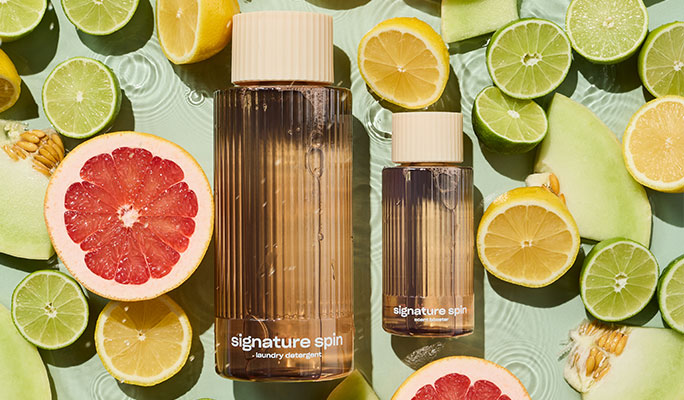
As a general guide for Snif’s Everything Wash, use 15ml for a small load, 30 ml for a medium load, 45 ml for a large load, and 60 ml for an extra-large load. Always check your detergent’s dosing instructions and adjust for your washing conditions when needed.
A 16 oz bottle of Everything Wash provides up to 32 loads, depending on how much detergent you use per wash. Measuring each dose helps you get the most out of your bottle and give your clothes the detergent they need.
What Affects How Much Laundry Detergent To Use?
Although load size is a helpful starting point, a few other factors can influence how much detergent your laundry needs.
Hard Water
Water hardness refers to the concentration of minerals, primarily calcium and magnesium, in your water. These minerals can interfere with how effectively detergent works, sometimes making it harder to remove dirt and soap residue.
If you have hard water, you may need to adjust your detergent dosage according to the manufacturer’s instructions. You may also consider whether it’s worth investing in a water-softening solution.
Soil Level
How dirty your clothes are also plays a role. Lightly worn shirts and everyday outfits generally require less detergent than muddy clothes, sweaty workout gear, or heavily soiled towels.
For particularly dirty loads, follow your detergent’s instructions for adjusting the dose. You can also pretreat noticeable stains with baking soda before washing rather than relying on extra detergent to remove them.
Washing Machine Model
Your washing machine plays an important role in detergent dosing. High-efficiency (HE) washers use less water than traditional machines, so they require low-sudsing HE-compatible detergent. Using too much can create excessive suds that interfere with rinsing and leave residue.
Standard washers may use different amounts depending on their capacity and water levels, so it’s best to consult your machine’s manual.
Detergent Concentration
Not all laundry detergents are formulated the same way. Concentrated detergents contain more cleaning ingredients in a smaller amount of liquid, so you generally need less product per load than with a less concentrated formula.
Always follow the dosage chart for your specific detergent rather than assuming that one capful or a single measuring line works for every product. This is especially important when switching between brands or detergent types.
How To Know If You’re Using Too Much Detergent
Adding an extra splash of detergent might seem like a harmless way to get cleaner clothes, but overdoing it can create several problems. Here are some signs that you’re using too much detergent.
Stiff Fabric
Clothes that feel stiff, rough, or less comfortable than usual may have detergent residue trapped in their fibers. This can happen when excess product doesn’t rinse completely away, particularly in overloaded machines or during washes with insufficient rinsing.
Detergent Residue
If your clothes feel sticky or have a soapy coating after washing, you may be using more detergent than your machine can rinse out. Residue can also appear as a white film or visible streaks on darker fabrics.
Lingering Detergent Smells
A strong detergent smell that remains long after washing isn’t necessarily a sign that your clothes are cleaner. Excess product can linger in fabric fibers, creating an overpowering scent rather than the fresh finish you’re looking for.
Detergent Stains
Undissolved detergent can sometimes leave marks on fabric, especially when it’s poured directly onto clothes or doesn’t disperse properly. If you’ve ever dealt with unexpected spots or streaks on your clean laundry, refer to our guide to learn how to get stains out of clothing.
Washing Machine Buildup
Excess detergent doesn’t just affect your clothes. Over time, leftover product can accumulate inside your washing machine, contributing to residue, unpleasant odors, and buildup around the drum or dispenser.
What Are Some Signs That You’re Not Using Enough Laundry Detergent?
Using too little detergent can also affect your results. While reducing your dosage can help prevent residue, you still need enough cleaning product to lift dirt, body oils, and everyday grime from fabric.
Stubborn Odors
If clothes still smell sweaty or musty after washing, your detergent dosage may be too low for your laundry’s level of soil. This is particularly noticeable with workout clothes, towels, and other items that collect more body oils and moisture.
Persistent Stains or Spots
If everyday dirt and stains aren’t coming out, you may not be using enough detergent for the load. That said, you might be dealing with stains set into the fabric that require pretreatment rather than more detergent.
How Can You Make Clothes Smell Good Without Using More Detergent?
If you love laundry that smells fresh, it’s tempting to assume that more detergent will create a stronger, longer-lasting fragrance. The truth is, detergent is primarily formulated to clean fabrics, not necessarily to provide an intense scent.
Instead of adding more detergent than necessary, consider using a laundry scent booster in your routine. Our Liquid Scent Boosters are designed to complement your detergent with an additional layer of high-quality fragrance, helping your clothes smell great without requiring extra cleaning product.
Laundry Day
Using the right amount of laundry detergent doesn't have to be complicated. Start with your load size, consider your washing machine and water conditions, and follow your detergent’s recommended dosage. Explore Snif’s Laundry Collection for Everything Wash and Liquid Scent Boosters that bring a fresh fragrance to your everyday routine.
FAQs
How much detergent should you use for an HE washer?
Use an HE-compatible detergent and follow its dosing instructions. HE washers use less water, so they generally require less detergent than traditional machines.
How many laundry pods should you use?
One pod is generally sufficient for a standard load, while larger or heavily soiled loads may require more, depending on the manufacturer’s instructions. Always check the package before adding another.
How do you dose out liquid laundry detergent?
Use the measuring cap or a designated measuring tool to portion out detergent according to your load size. Avoid estimating by eye, since even a small amount of extra product can add up over multiple washes.
Sources:
Stain Removal Guide | The American Cleaning Institute (ACI)
Hardness of Water | U.S. Geological Survey