

















Key Takeaways:
- Laundry stripping is a powerful deep-cleaning method that uses baking soda and hot water to draw out trapped residue.
- Laundry stripping is not an everyday practice, but it can be used sparingly to draw out detergent, fabric softener, body oil, and mineral buildup on clothing.
- Mindful washing habits and high-quality laundry products help preserve fabric performance and longevity.
Nothing kills the day like pulling “clean” laundry out of the wash and finding it crunchy, stiff, or musty-smelling. If that’s happening, leftover detergent gunk or mineral buildup is usually the culprit. Laundry stripping with baking soda offers a deep-clean soak that helps lift the hidden residue and bring your fabrics back to fresh, soft, and actually-clean. It’s popular for a reason: it’s easy, cheap, and satisfying.
In this guide, let’s talk about how you can use laundry stripping with baking soda to refresh, restore, and keep your clothes (and linens) feeling their best.
What Is Laundry Stripping With Baking Soda?
Laundry stripping with baking soda is a soak that uses hot water and a few cleaning helpers to pull built-up residue out of fabric. Over time, all kinds of gunk can get stuck in the fibers of your bedding, towels, and clothes, even after a normal wash.
Minerals from hard water, leftover detergent, and fabric softener can cling to materials, making them less absorbent and more likely to hold onto funky odors. Baking soda can help break down that buildup, especially when you convert it into washing soda for a deeper clean.
What Are the Benefits of Laundry Stripping?
Unnoticed residue can build up on your clothing over time, and this is especially true for heavily used absorbent fabrics. The occasional laundry strip can help your laundry in a few great ways.
Odor Elimination
When you just can’t seem to get odor out of a fabric, it’s most likely a sign that there are bacteria and body oils trapped deep within its fibers. It’s always better to deal with the source of a smell instead of covering it up. If you just mask it, it can come right back and get worse over time, especially when fabrics stay a little damp.
That’s where laundry stripping helps. It pulls out the deep-down residue that traps bacteria and holds onto odors, so you’re actually neutralizing the funk instead of layering fragrance on top of it. The result is laundry that feels truly clean, stays fresh longer, and gets a real hygiene upgrade.
Softness
If your laundry comes out feeling stiff, most of the time, it’s not the fabric “getting old.” It’s getting coated. Detergent residue, hard-water minerals, and yes, even fabric softener can build up over time and leave fibers feeling rough and uncomfortable.
Laundry stripping helps lift that buildup so the fibers can relax and move the way they’re supposed to. After a strip, clothes and linens usually feel softer against your skin. You’ll also cut down on friction and wear, which can help your favorites last longer.
Removes Buildup
Buildup can keep your washer from doing what it’s supposed to do. That residue sits in the fibers like a barrier, so water, detergent, and airflow can’t move through fabric the right way. The result is laundry that’s harder to clean and way more likely to hang onto dirt and odors.
Laundry stripping goes after the layers that normal wash cycles leave behind, mainly detergent residue and mineral buildup. Once those are gone, towels get their absorbency back, and everything tends to perform better and last longer.
How To Do Laundry Stripping With Baking Soda
Laundry stripping is simple, as long as you have access to hot water and a little time to spare. Here are step-by-step instructions to follow for the best results.
Bake the Baking Soda
While baking soda is effective for laundry stripping, washing soda is even better. Boost your cleaning power by converting baking soda into washing soda.
Spread baking soda evenly on a baking sheet and bake in the oven at 400°F for about one hour, stirring halfway through. Once cooled, the baking soda will have transformed into washing soda with a higher alkalinity that boosts its cleaning properties.
Combine With Powdered Detergent, Borax, and Hot Water
Fill a bathtub or basin with very hot water, and add equal parts washing soda, powdered laundry detergent, and borax. Stir until each element is fully dissolved to create a combination that loosens residue, breaks down oils, and softens water for more effective cleaning.
Soak Your Clothes
Grab any laundry items that came out of the wash feeling rough or smelling odd and submerge them in the mixture. Make sure every piece is fully saturated and allow them to soak for four to six hours, or until the water completely cools.
Stir Occasionally
Every hour or so, gently stir the laundry to redistribute the cleaning solution to encourage buildup to release evenly and ensure that every garment gets stripped. You may notice the water becoming cloudy or discolored, but don’t panic. This means residue is being pulled from the fabrics, and your mixture is a success.
Wash Like Normal
When your laundry is done soaking, wring out excess water from each item and toss them into the washing machine for a standard cycle.
Run the load on warm or hot water, depending on the fabric’s care instructions, and be sure to use fabric-safe products. The laundry stripping will have loosened trapped residue, so this last wash should remove any remaining debris. Once dry, your fabrics should feel fresher, softer, and look noticeably revived.
Choose High-Quality Laundry Products
Using high-quality laundry products moving forward is key to maintaining these results. Well-formulated detergents without excessive fillers or harsh additives help to keep that pesky buildup from coming back. Choosing well-designed products and using the correct amount can extend the benefits of laundry stripping and keep your laundry feeling fresh between cycles.
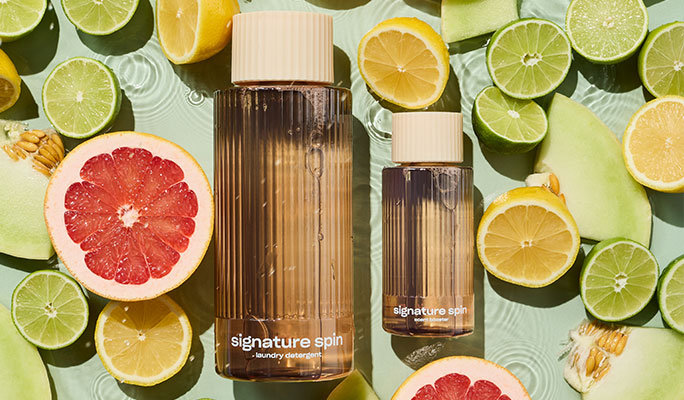
At Snif, our Laundry Collection is made with a high-performing and fabric-safe formula designed to maintain the integrity and colors of your garments. If that’s not enough, our detergents and scent boosters are also non-toxic, non-irritating, vegan, cruelty-free, and made without synthetic dyes.
All of our Everything Wash laundry detergents are designed to give your load a light, luxury-level scent. We recommend using 2 caps (30ml) of detergent for medium-sized loads, 1 cap (15ml) for smaller loads, and 3-4 caps (45-60ml) for larger loads.
Pair your Everything Wash with one of Snif’s Liquid Scent Boosters for an extra dose of long-lasting fragrance instead of a fabric softener.
Many fabric softeners contain synthetic fragrances and volatile organic compounds (VOCs) that can irritate sensitive skin, trigger headaches, or worsen respiratory issues. Choosing safer alternatives, like our non-irritating, water-based scent boosters, can help keep your laundry clean and fresh without compromising your comfort.
How Often Should You Strip Laundry?
Laundry stripping is a deep clean, so treat it like one. Doing it too often can stress fabric fibers, so it shouldn’t be part of your regular wash routine.
For most households, stripping towels and bedding every three to four months is plenty. Clothing usually only needs it once or twice a year. Delicates should be stripped less often, or not at all, since they’re easier to damage.
If you have hard water or your laundry keeps coming out stiff or smelly, you might benefit from stripping a bit more often. Still, it’s worth looking at your everyday wash habits first and making a few tweaks before you turn stripping into the default.
Clean As Can Be
Laundry stripping with baking soda is an easy and effective way to reset your fabrics and restore their natural softness and absorbency. After removing hidden buildup, make sure to follow up with mindful washing habits and high-quality products to maintain your laundry’s freshness year-round.
When used carefully, laundry stripping is a simple yet powerful tool for maintaining a more comfortable home, down to the smallest fiber.
FAQs
How long should you soak clothes in baking soda?
Clothes should soak for about four to six hours, or until water cools, to allow the baking soda mixture to effectively draw out buildup.
What’s the best laundry stripping recipe?
The most effective laundry stripping recipe combines hot water with equal parts washing soda, powdered laundry detergent, and borax. This solution will break down unwanted residue, oils, and mineral buildup.
Sources:
Hardness of Water | U.S. Geological Survey
Absorbency - an overview | ScienceDirect
Physiology, Sebaceous Glands | NIH
Understand Your Fibers - Textiles | UGA