



















We love (and respect) the concept of a signature scent, a scent that’s uniquely yours, and we’re pretty sure we’re not alone. Imagine someone thinking of you whenever they smell that special blend of vanilla, sandalwood, and charisma.
But how does one create a “signature” scent? Do you lock yourself in a lab, going mad while extracting your essence into test tubes? That’s one way to do it, but what if we told you Snif can remove the madness with one simple hack: Layer Up!
Before we get started, we’ve got something to say about the word “perfume”: At Snif, we believe that fragrance is for all. That's why we don't use words like perfume or cologne to actively describe our scents. However, we recognize it is our role to help educate and translate the fragrance world, and so we'll occasionally reference these words in our blog posts!
Now, let’s get back to our favorite layering hacks. We’ve figured out the do’s and don’ts, and we’ve done all the homework for you. All you need to do is find a scent that you love.
What Is Perfume Layering, Exactly?
Fragrance layering has deep roots in the centuries-old Middle Eastern attar tradition, where combining and stacking scents was part of a daily ritual. Today, perfume layering refers to wearing two or more fragrances at the same time to create a single custom scent that doesn’t exist in any one bottle. It’s a way to build from products you already own and create a blend that’s uniquely yours.
True layering isn’t the same as wearing two scents on different body parts. It’s the practice of applying both fragrances to the same pulse points so they merge on the skin. Layer two fine fragrances together, or pair your fragrance with a body mist, body lotion, body butter balm, or laundry scent. Each product contributes to the overall composition.
to layer or not layer? that is the question.
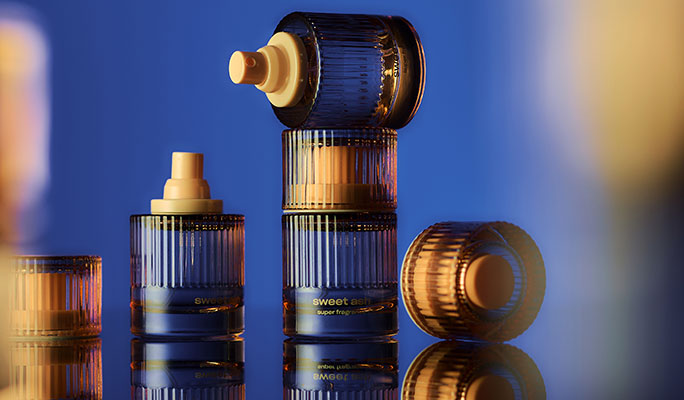
Think about it: Fragrances are basically just a combination of layered scents, pre-packaged and waiting for you. We wouldn’t have Sweet Ash if we didn’t think of mixing fir balsam, black vanilla bean, and tonka.
Layering fragrances can take things to the next level, tailoring your scent to your unique personality and style. Once you know the ins and outs of how to layer perfume*, you can figure out your perfect signature scent.
A Quick Crash Course in Fragrance Notes
Fragrance notes are broken down into three categories: top, middle/heart, and base.
Top notes make the first impression. They’re what you smell in the first 10-15 minutes and usually feature citrus, herbs, and light fruit scents that project loudly but evaporate the fastest.
Middle notes shape the fragrance's personality and emerge as the top notes fade, defining what the scent is all about. They’re usually florals, spices, and gourmand notes.
Base notes make up the dry-down stage, or what’s left after a few hours have gone by. This is the longest-lasting layer and the one that anchors the overall fragrance. Common base notes include woods, musks, amber, and vanilla.
Understanding fragrance notes is essential for mastering layering because you’re essentially stacking two full scent pyramids on top of each other. You want to avoid using fragrances that dominate the same layer. For example, if they both have heavy bases, the scents can clash and become muddy.
Sweet Ash is a great example of a well-stacked fragrance. The ingredients are carefully balanced so each layer enhances the next, rather than competing for attention. The crisp juniper and bright bergamot top notes create an airy freshness that makes way for the warmer heart of fir balsam, tonka bean, and vanilla bean.
As the fragrance settles, the soft, earthy base of white moss anchors everything together, making the fragrance feel smooth and grounded.
7 tips on mixing scents
keep it simple
Pairing two complex fragrances might overstimulate your senses. Keep at least one of your scents simple. When you layer a more complicated fragrance with a lighter one, you’re adding a fresh, new element to an existing combination.
So, focus on either adding two relatively simple scents together or layering one complex scent with a lighter one. Keep this in mind when you feel like getting carried away: Sometimes less really can be more.
some scents don’t mix
Some scents simply aren’t the right fit for each other. Certain fragrances will clash, leaving you with layers that would smell better separately. Think of it in fashion terms, unless you’re teaching high school drama, you wouldn’t layer a scarf on a scarf. That’s why one of our key fragrance layering tips is to combine scents that you know from experience will blend well.
We’re going to highlight some fragrance families below so that you can make an informed decision about whether to incorporate a new ingredient into your mix. Keeping your blends within a fragrance category is always a safe bet, but that doesn’t have to be your only option.
Knowing some common descriptors can help you understand which fragrance families you enjoy together — you’ll sound like a fragrance expert in no time. Until then, fake it ‘til you make it.
-
Woody Scents: might have descriptors like "wood," "mossy," or "warm."
-
Amber Scents: might have descriptors like "herbal," "spicy," or "resin.”
-
Floral Scents: might have descriptors like "flowery," "fruity," or "light."
-
Fresh Scents: might have descriptors like "bright," "citrus," or "clean."
-
Gourmand Scents: might have descriptors like "edible," "sweet," "creamy."
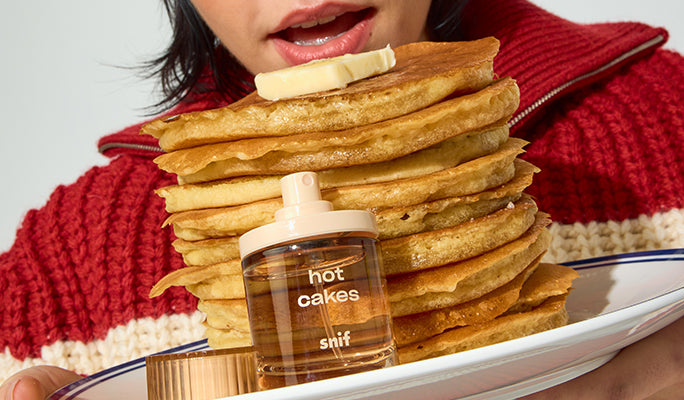
Anything "dessert-like" that smells good enough to eat falls under the gourmand category. Think vanilla, caramel, chocolate, and almond. This is the home of Vanilla Vice, Hot Cakes, and Crumb Couture.
Learning the basics of these scent families can help you know what to look for when you’re thinking about a new layered fragrance, too.
Maybe you’ll even find out you like the way ambers and floral scents smell together. There’s nothing wrong with layering intuitively; if you love the way a combination of scents smells, go for it.
layer your scents in one place
Our next piece of advice is to layer your fragrance combinations in one place.
It wouldn’t truly be a layer if it was just two different scents on two different parts of your body — that would just be using two fragrances.
Put your fragrances on top of each other, whether it’s on your wrists, neck, or behind the ears to create a layered scent that blends the original elements together. That way, you’ll avoid creating a combination that clashes.
layer your heavier scent first
Once you’ve chosen where to spray your different fragrances, it’s time to choose which fragrance goes first. If you tend to just spritz on whichever fragrance you find first in your makeup bag, think again.
You always want to layer your fragrances in a strategic way by starting with your heavier fragrances, which could be described as bold, luxurious, and rich, and then moving to your lighter fragrances. From there, move on to your floral, fresh scents. You’ll know a scent is lighter if it’s described as clean or bright.
This sequence works best because heavier fragrances tend to be base-note dominant. Woods, musks, ambers, and gourmand notes need time on skin to interact with body heat and fully bloom.
Meanwhile, lighter fragrances are top-note dominant: bright, airy, and quick to project. When you apply the heavier scent first, it gets the time it needs to develop while the lighter scent sits on top, projecting. If you reverse the order, the lighter scent will be overpowered.
apply body lotion before fragrance
Before you start layering, it’s time to lotion. When your skin is dry, fragrance will have a hard time sticking to it. This means your scent will fade quickly, and you won’t be able to make the most of its lasting power.
Applying lotion, moisturizer, or body oil will give your fragrance something to latch onto so that it sticks around longer.
layer contrasting scents for a unique scent
Last but certainly not least, remember that the beauty of layering scents is that you can create a truly custom scent by combining fragrances.
While you should keep in mind the general rules surrounding complementary scents, don’t be afraid to get creative with your favorite fragrances and experiment with contrasting smells.
Prep Your Skin
Layering doesn’t start with the bottle. It actually starts in the shower.
The first step to prepping your skin for fragrance is to wash away old scent residue. Clean skin holds fragrance better than when it’s coated in sweat, oil, and leftover perfume. Think of it as kind of like making sure your canvas is clean before you paint.
Next, moisturize while your skin is still slightly damp. Hydrated skin gives fragrance molecules something to cling to, helping them to evaporate slowly and hold fragrance up to 50% longer than dry skin.
Opt for an unscented moisturizer to avoid clashing notes — or, better yet, choose one that complements your fragrance. Our Heal The Way body butter balm works especially well as a warm, sweet base layer, adding a layer of scent before you even reach for a perfume.
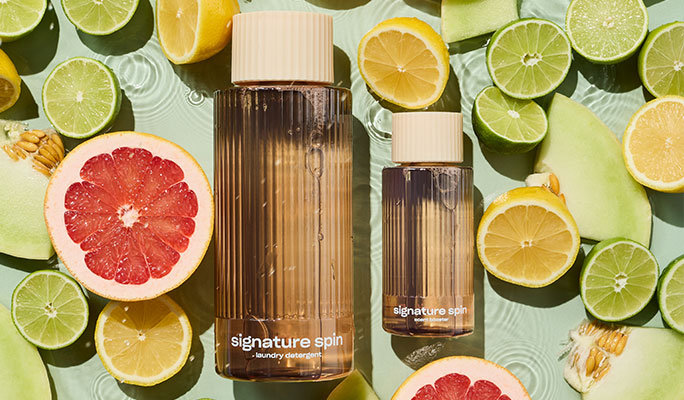
Finally, don’t forget the laundry layer, too. A coordinated detergent and scent booster allows your fragrance profile to start building before you’ve even gotten dressed. Choosing laundry products that complement the fragrance you plan to wear can help create a more seamless, layered scent experience.
The Layering Ladder: Building From Skin Out
Fragrance layering works best when you break it down into levels. Instead of spraying everything at once, build your scent from the skin outward so each layer can fulfill its role.
Wash
The first fragrance layer actually starts before anything touches your skin. Clothes naturally carry scent, which makes your laundry products the foundation of the entire composition. A coordinated detergent and scent booster can create a subtle base that lingers throughout the day and supports the fragrances layered on top. Explore the Snif Laundry Collection to start building from the ground up.
Hydrate
The next layer is moisture. Applying body lotion, body butter, or body oil to damp skin helps fragrance to adhere better and evaporate more slowly. Moisturized skin can hold scent significantly longer than dry skin, making this step one of the easiest ways to improve longevity.
For warm, sweet combinations, our Heal The Way Body Butter Balm can create an ideal base. It adds a soft skin-close warmth that blends naturally with gourmand, amber, and creamy fragrances. Pair it with the Heal The Way fragrance for a perfect combo, or mix and match to make it truly your own.
Anchor
Once your skin is prepped, apply the heavier fine fragrance to pulse points like your neck, wrists, and chest. The fragrance with the most depth, longevity, and base notes becomes the anchor of your scent profile. Woody, amber, musky, and gourmand fragrances work especially well because they stay close to the skin and create a structure for everything else to build around.
Lift
Your lighter scent comes next. This is where body mists, fresh florals, citrus scents, or airy gourmand fragrances enter the mix. These fragrances project first and shape the initial impression people notice before the deeper base notes emerge.
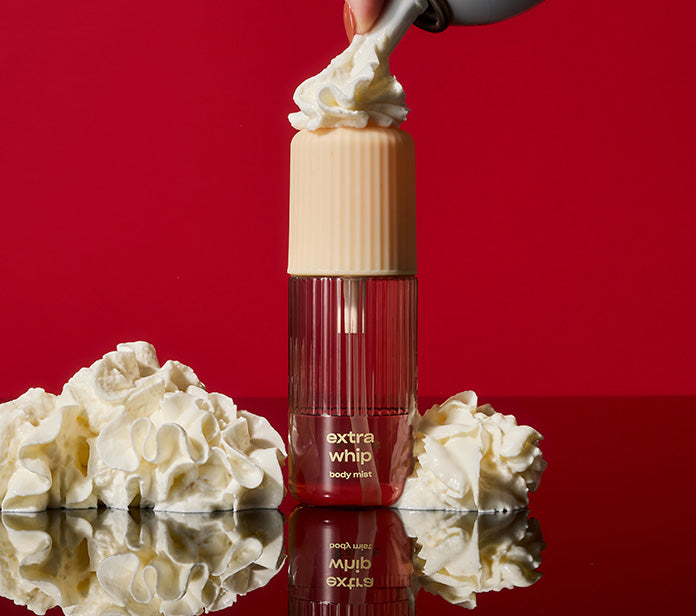
Something soft and fluffy, like Extra Whip , works especially well in this layer because it adds brightness and texture without overwhelming the fragrance underneath.
Optional Finish
For extra projection and sillage (the scent trail left behind as you move), finish with a light spritz on your hair or clothing. Fabric and hair tend to hold fragrance longer than skin, helping the scent last longer throughout the day.
The key is restraint. Remember that a light mist is enough. You want the fragrance to diffuse naturally, not saturate the fabric.
snif scents to layer
If you’re looking for scent layering inspo, check out some of the Snif scent match-making we’ve done below.
Hot Cakes & Hazel Split
Hot Cakes is a flapjack fragrance that will have your mouth watering with its syrupy, buttery, fruit-filled scent. To give it a chocolate twist, pair Hot Cakes with Hazel Split , our hazelnut and banana body spray.
Vanilla Vice & Berry Styles
An ode to soft-serve ice cream, Vanilla Vice pairs perfectly with Berry Styles . The sweet, ambery notes of Vanilla Vice are perfectly enhanced by the fruity-forwardness of our Berry Styles mist.
Coco Shimmy & Spray Tan
Capture the sweet sunshine smell of summer by combining tropical coconut Coco Shimmy with our tanning oil-inspired body mist, Spray Tan .
Swede Tooth & Extra Whip
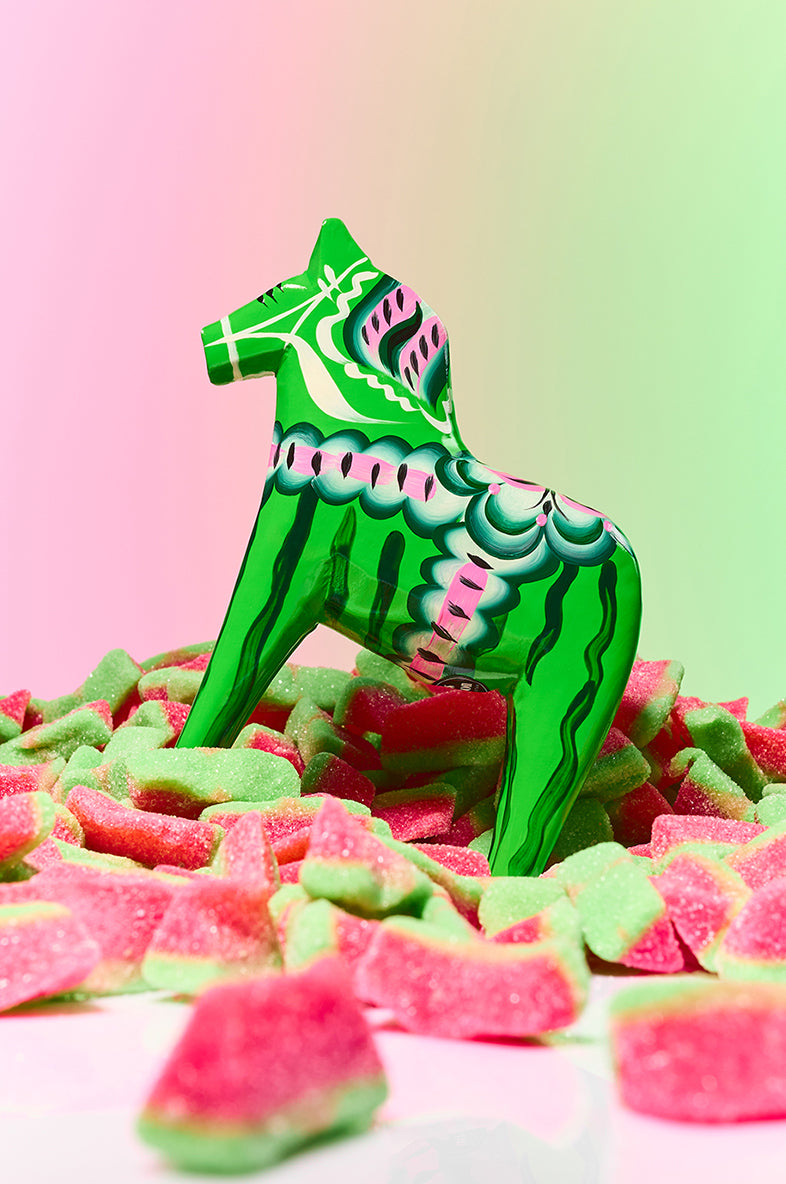
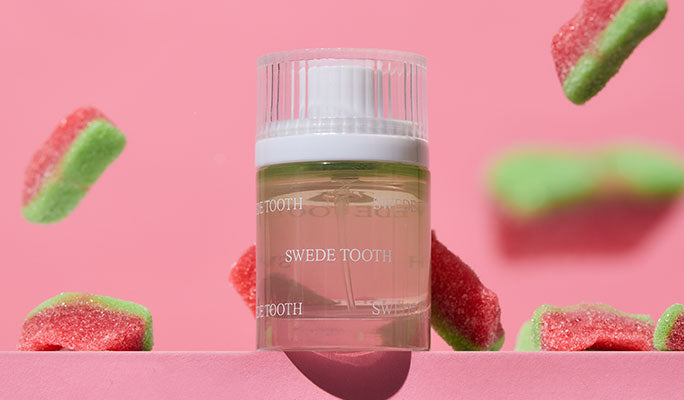
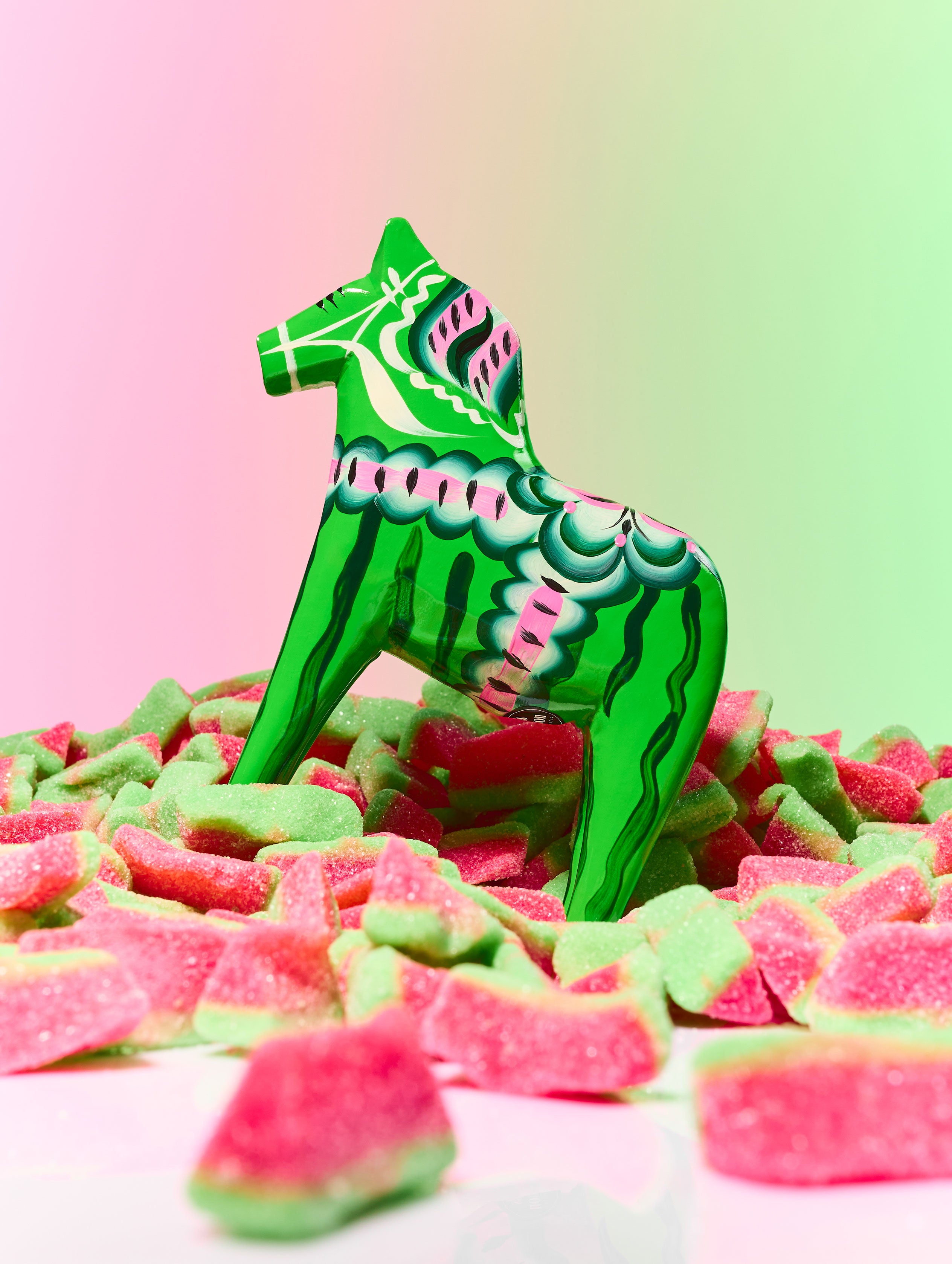
Let your sweet tooth take the wheel by layering Swede Tooth , a watermelon candy scent, and Extra Whip , a body mist that’s as light and fluffy as your favorite whipped topping.
Layering Body Mist and Fine Fragrance
Body mists are a great way to start layering. If stacking two fine fragrances feels like too much, layer a body mist over a fragrance you already love and see how it changes. They're also easy to reapply throughout the day, making them a low-maintenance layering option.
Body mists, being lighter in concentration, act as a natural "lift" in any layered combination. They extend projection without competing with the fine fragrance that sits underneath.
Here’s some quick pairing logic to get you started: A gourmand fragrance paired with a body mist in the same family doubles its longevity. A gourmand fine fragrance layered with a fresh or fruity body mist adds dimension and contrast.
Look to the Snif Body Mist Collection for scents that could help enhance your favorite fine fragrances.
the pros and cons of layering fragrances
Like anything in life, there are pros and cons to layering your fragrances. We’ve compiled the simple ones to start us off. Don’t think of these as strict guidelines; they are more just tips to get started on your fragrance layering journey.
pros
-
Layering your fragrances gives you a scent that is uniquely you. Having a scent that is specifically yours isn’t just a fun accessory; it’s also a confidence booster.
-
Layering provides the creative expression to explore scents you love. When you combine a couple of fragrances that you already enjoy wearing, you sometimes find that they work even better together than separately.
-
Layering can be budget-friendly. When you layer your scents, you create something entirely new without needing to spend too much money. At Snif, every 30 mL fragrance is $65, so you don’t have to worry about breaking the bank every time you run out of your bottles. Save that money for a rainy day .
cons
-
Perfecting your ultimate fragrance mix might take a little bit of patience. Don’t let yourself get caught up in the time it might take to find a layer that works for you. Enjoy the process, and know that you smell great either way.
-
You might just find that certain scents don’t go together. That’s fine. Just wash them off and try again.
-
Layering scents is a personal, creative process, and you might find that a layered smell isn’t for you! If you enjoy a simpler scent, there’s nothing wrong with that. It just takes some trial and error.
6 Perfume Layering Mistakes To Avoid
Fragrance layering can create something uniquely personal, but small mistakes can quickly turn a beautiful combination into a confusing one. The goal is to balance, not overload. Here are six of the most common layering mistakes and how to avoid them.
1. Rubbing Your Wrists Together After Spraying
It’s one of the most common fragrance habits, but rubbing your wrists together after applying perfume can actually disrupt the way a scent develops. The friction creates heat and physically breaks down delicate top notes before they’ve had a chance to fully bloom.
Instead, spray and let the fragrance dry naturally on your skin. Giving the scent space to settle allows the full composition to unfold the way it was intended.
2. Layering Too Many Fragrances at Once
More fragrance doesn’t automatically mean a better result. Once you start layering more than three scents, the composition usually stops blending and starts competing for attention. Notes become muddy, the structure gets lost, and it becomes harder to distinguish any individual character within the combination.
For beginners, two fragrances is usually the ideal starting point: one anchor and one lift. Even experienced fragrance lovers rarely need more than three layers at once.
3. Spraying Onto Dry Skin
Dry skin causes fragrance to evaporate faster, which can shorten longevity and distort how the notes develop over time. Moisturized skin gives fragrance molecules something to cling to, allowing the scent to unfold more evenly and last significantly longer.
Applying lotion, body oil, or body butter before fragrance is one of the easiest ways to improve both performance and layering results. It also helps to smooth transitions between scents, making the overall composition feel more cohesive.
4. Pairing Two Heavy Base-Note Fragrances
Not every fragrance combination works simply because both scents smell good individually. Layering two dense fragrances like two ouds, ambers, or heavy gourmands often creates competition in the same part of the fragrance structure. Instead of complementing each other, the scents can feel overpowering, muddy, or overly thick.
A better approach is balancing a heavier anchor fragrance with something lighter and more airy on top. Pair warm woods or amber bases with citrus, soft florals, fresh musks, or lighter gourmand mists to create contrast and dimension.
5. Skipping the Test Run
Fragrances evolve over time, which means a combination that smells great in the first thirty seconds may develop very differently an hour later.
Before fully committing to a layered combination, test it first on a paper strip or a small area of skin. Then, wait at least 30 minutes to see how the notes interact as they settle into the dry-down. This extra step helps you catch combinations that clash later in the wear.
6. Spraying Everything at Once in the Same Spot
Layering works best when each fragrance has room to develop. If you spray multiple scents directly on top of one another all at once, the notes can blur together too quickly, making the overall composition feel flat or chaotic.
Instead, apply your first fragrance and let it settle for about 30 seconds before adding the next layer. That short pause gives the opening notes time to bloom and creates cleaner transitions between each fragrance stage. The result smells more intentional, balanced, and dimensional.
how do you know if fragrances are a good pair?
Perfecting a layered fragrance does come with a little bit of work. Try to understand the contents of two scents before you pair them together. Is a warm, woodsy smell going to match well with something meant to be fresh and fruity? There are no rules here, but using the tips we shared earlier in this post can be helpful.
Fragrance making is an art and a science. Thankfully, you don’t need to do hours of research to find the right mix. The simple knowledge of what scent notes make up your fragrances will help you create the perfect combo in the long run.
have fun mixing and matching
The most important part of finding your ideal layered fragrance is to have a good time doing it! it should be an expression of your confidence , self-love, and unique personality.
Create a blended scent that’s just for you, and have a fun time while you explore it. Leave those heavy expectations to the wayside. Fragrances are meant to be fun.
get your fine fragrance collection started
Now that you know how to create your own beautifully layered signature fragrance, it seems like you’re in need of some new scents.
Snif has got you covered with the most vibrant, modern, sustainable, and affordable fragrances around. Not ready to commit to a 30 ml bottle? Snif's 10 ml option is the low-commitment way to test layering combos before you go all in.
You don’t need those overpriced department store fragrances to become a layering pro. Start with us today, and we promise you won’t regret it.
FAQs
Does layering perfume make it last longer?
Yes. When you start with hydrated skin and build with complementary products including lotion, body mist, and fine fragrance, each layer reinforces the next. A single spritz on dry skin fades within hours, but a layered routine can maintain projection throughout the day.
How many perfumes can you layer at once?
Two is the sweet spot, and three is the ceiling for most people. Past that, scents stop blending and start competing. If you want more complexity, add other products like body mist or a coordinating lotion instead of stacking another fine fragrance.
Can you wear two perfumes at the same time?
Yes, that's what perfume layering is. The trick is intentional pairing. Balance the strengths of your products by selecting one heavier and one lighter, pick from complementary fragrance families, and apply the heavier scent first.
What perfumes layer well together?
Pair scents that share at least one note or sit in complementary fragrance families. Easy starting pairs include: gourmand with fresh, woody with floral, and amber with citrus. When in doubt, try both scents on your skin and let them develop for 20 minutes before deciding.
Where should you apply layered perfume?
Stack them on the same pulse points like wrists, sides of the neck, inner elbows, and behind the ears. The body heat on these spots diffuses the blend evenly and helps both fragrances to interact rather than separate.
Can you layer body mist with eau de toilette?
Yes, body mist is one of the easiest entry points to layering because its lighter concentration sits on top of an EDP or EDT without overpowering it. Apply the EDT first as your anchor, then mist over the top for projection and longevity.
Sources:
How to Mix Perfume Oils | HowStuffWorks
Do You Need a Rainy Day Fund and an Emergency Fund? | The Balance